
First State Orthopaedics is an OrthoDelaware Company

In the News
Hip Labral Tears: Why Groin Pain May Not Be a Muscle Strain
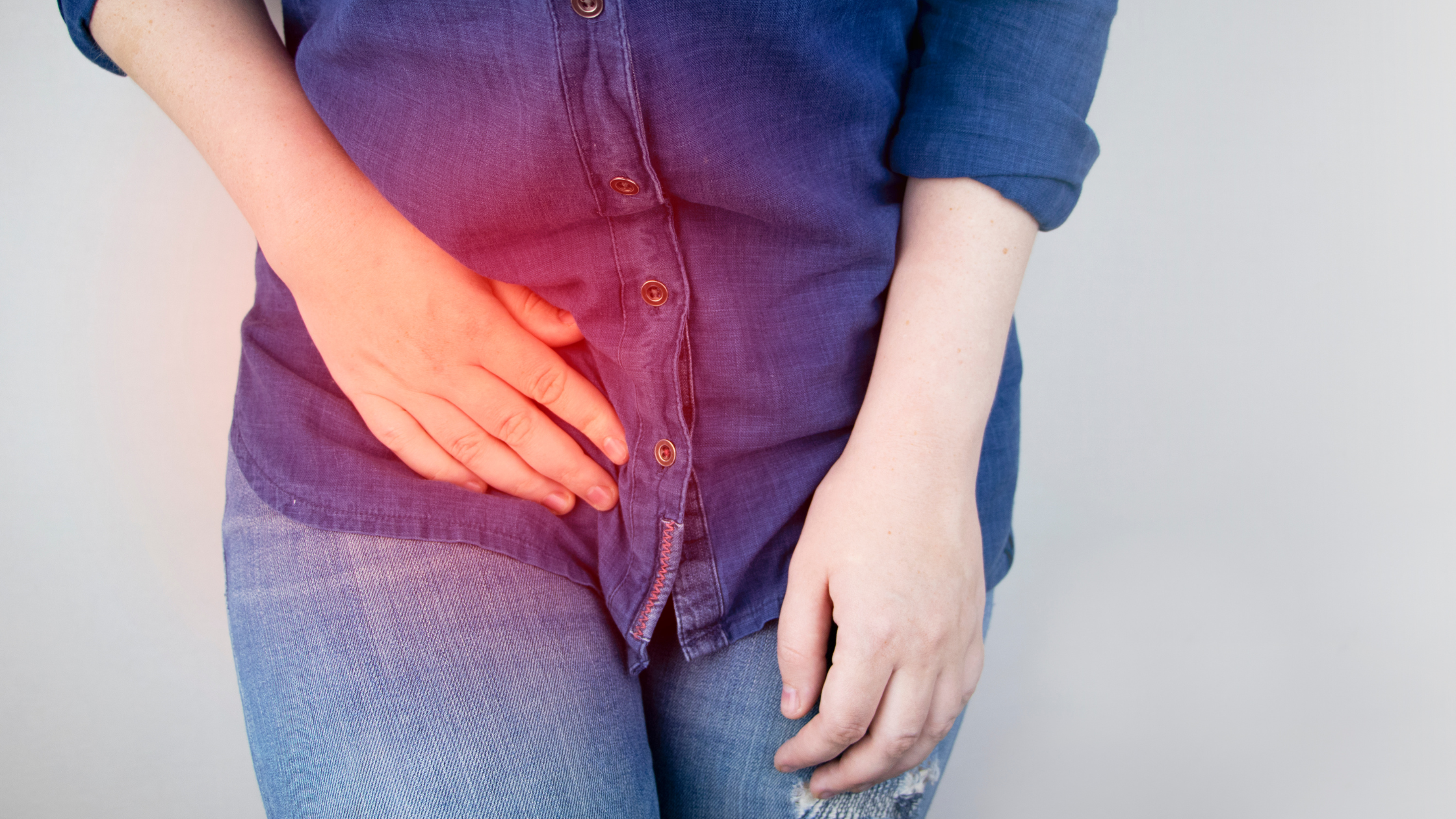
Groin pain is commonly blamed on a pulled muscle, especially after sports, exercise, or an awkward movement. While muscle strains are certainly a frequent cause, persistent groin pain that doesn't improve with rest may actually be coming from the hip joint itself. One often-overlooked condition is a hip labral tear, an injury that can cause ongoing pain, stiffness, and limited mobility.
Because the symptoms often mimic muscle injuries, many people delay seeking treatment until the problem begins interfering with everyday activities. Understanding the difference between a muscle strain and a hip labral tear can help patients receive the appropriate diagnosis and treatment sooner.
What Is a Hip Labral Tear?
The hip labrum is a ring of durable cartilage that surrounds the socket of the hip joint (acetabulum). Its primary functions are to:
- Deepen the hip socket
- Improve joint stability
- Help distribute weight evenly across the joint
- Create a seal that keeps joint fluid in place for smooth movement
A hip labral tear occurs when this cartilage becomes damaged or torn. Depending on the size and location of the tear, symptoms can range from mild discomfort to significant pain and loss of function.
Why Does a Hip Labral Tear Cause Groin Pain?
One of the hallmark symptoms of a hip labral tear is pain deep in the groin. This occurs because the front portion of the labrum is where tears most commonly develop.
Unlike a muscle strain, which typically causes tenderness directly within the muscle, labral pain often feels deeper inside the joint. Patients may have difficulty identifying the exact location of the discomfort, often describing it as an aching or pinching sensation.
Pain frequently worsens during activities such as:
- Walking long distances
- Running
- Squatting
- Pivoting or twisting
- Getting in and out of a car
- Sitting for extended periods
Some individuals also experience pain that radiates into the buttock or upper thigh.
What Causes Hip Labral Tears?
Hip labral tears can develop gradually or occur suddenly.
Common causes include:
Femoroacetabular Impingement (FAI)
FAI occurs when abnormal bone shapes cause the ball and socket of the hip to rub together, placing repeated stress on the labrum. This is one of the most common underlying causes of labral tears.
Sports Injuries
Athletes participating in activities that involve frequent twisting, cutting, pivoting, or repetitive hip motion are at increased risk.
Higher-risk sports include:
- Soccer
- Hockey
- Golf
- Dance
- Tennis
- Football
- Martial arts
Degenerative Wear
As cartilage naturally ages, the labrum becomes more susceptible to injury. Degenerative tears become more common after age 40, particularly when osteoarthritis begins to develop.
Trauma
Falls, motor vehicle accidents, or sudden twisting injuries can produce acute labral tears.
What Are the Symptoms of a Hip Labral Tear?
Symptoms often develop gradually and may initially resemble a muscle strain.
Common signs include:
- Deep groin pain
- Hip pain during activity
- Pain after prolonged sitting
- Clicking or catching sensations in the hip
- Locking of the joint
- Hip stiffness
- Reduced range of motion
- Feeling that the hip may "give out"
Many patients notice that symptoms fluctuate, improving temporarily before returning with increased activity.
How Is a Hip Labral Tear Different From a Muscle Strain?
Although both conditions can produce groin pain, several characteristics help distinguish them.
| Muscle Strain | Hip Labral Tear |
|---|---|
| Pain in the muscle tissue | Deep pain inside the hip joint |
| Often improves within several weeks | May persist for months |
| Pain with muscle contraction | Pain with hip rotation or flexion |
| Usually no clicking | Clicking, catching, or locking common |
| Local tenderness | Deep joint discomfort |
If groin pain continues despite rest, physical therapy, or anti-inflammatory medications, further evaluation may be warranted.
How Is a Hip Labral Tear Diagnosed?
Diagnosis begins with a detailed medical history and physical examination.
A physician may perform specific hip movement tests that reproduce symptoms, including movements involving hip flexion, internal rotation, and adduction.
Imaging studies may include:
- X-rays to evaluate bone structure and look for femoroacetabular impingement
- MRI to visualize soft tissue injuries
- MR arthrogram, which uses contrast dye to improve detection of labral tears
In some cases, a diagnostic injection into the hip joint helps determine whether the pain is originating from the joint itself.
Can a Hip Labral Tear Heal Without Surgery?
Some smaller tears or less severe injuries may improve with conservative treatment.
Non-surgical options may include:
- Activity modification
- Physical therapy
- Anti-inflammatory medications
- Image-guided corticosteroid injections
- Regenerative medicine treatments, such as platelet-rich plasma (PRP) injections, for carefully selected patients
Treatment recommendations depend on the size of the tear, underlying hip anatomy, patient age, activity level, and severity of symptoms.
When Is Surgery Necessary?
Surgery may be considered when:
- Conservative treatment fails
- Significant mechanical symptoms persist
- Large tears are present
- Femoroacetabular impingement requires correction
- Pain substantially limits daily activities
Most hip labral repairs are performed arthroscopically through small incisions. During surgery, the orthopedic surgeon may repair the torn labrum while also correcting any underlying bone abnormalities contributing to the injury.
Can Hip Labral Tears Lead to Arthritis?
A damaged labrum may reduce the stability and cushioning of the hip joint. Over time, abnormal joint mechanics can accelerate cartilage wear, potentially increasing the risk of osteoarthritis.
Early diagnosis and appropriate treatment may help preserve joint function and reduce long-term damage.
When Should You See a Specialist?
Persistent groin pain should not automatically be dismissed as a muscle strain.
Evaluation by a specialist is recommended if you experience:
- Groin pain lasting more than several weeks
- Hip clicking or catching
- Pain that interferes with walking or exercise
- Limited hip mobility
- Pain that returns repeatedly after activity
- Groin pain following a twisting injury
Early evaluation can help identify the true source of pain and prevent prolonged discomfort or worsening joint damage.
The Bottom Line
Although muscle strains are a common cause of groin pain, they are not the only possibility. A hip labral tear can produce similar symptoms while requiring a very different treatment approach. Because these injuries often develop gradually and mimic other conditions, they are frequently overlooked.
If groin pain persists, worsens with hip movement, or is accompanied by clicking or catching sensations, a comprehensive evaluation can help determine whether the hip joint itself is responsible. Early diagnosis allows for more effective treatment, helping patients return to daily activities with less pain and improved mobility.
 First State Surgery Center
 Glasgow Surgery Center