
First State Orthopaedics is an OrthoDelaware Company


In the News
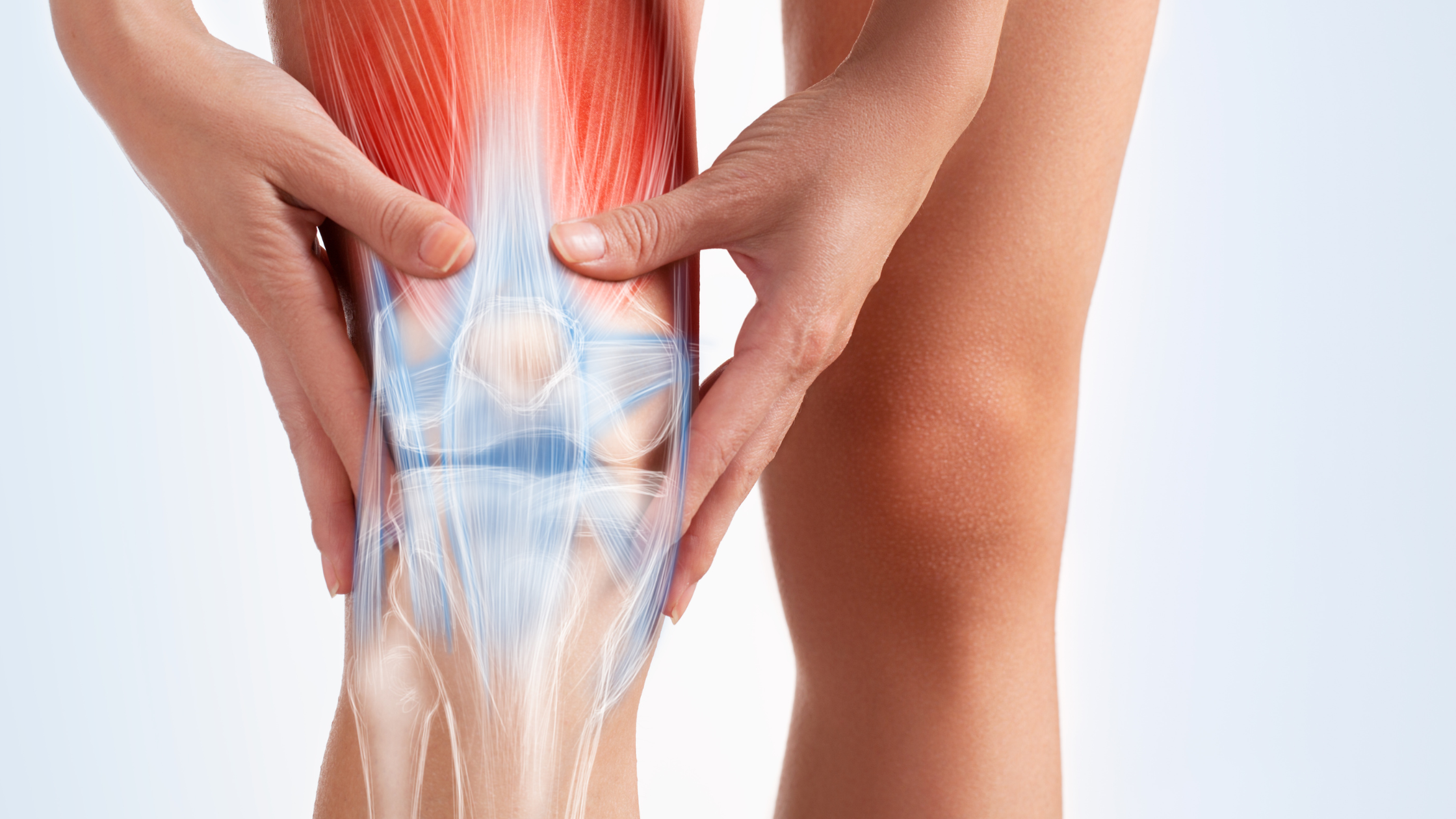
How Arthritis Affects the Knees, Hips, and Hands
Arthritis is one of the most common causes of joint pain and stiffness, affecting millions of people worldwide. While arthritis can develop in nearly any joint, it most often impacts the knees, hips, and hands because these areas are heavily used in daily life. Walking, gripping objects, climbing stairs, typing, and even simple tasks like opening a jar can become difficult when arthritis affects these joints.
Understanding how arthritis affects the knees, hips, and hands can help people recognize symptoms early, seek treatment, and make lifestyle changes that support long-term joint health.
What Is Arthritis?
Arthritis is a broad term used to describe inflammation and degeneration in the joints. The most common type is osteoarthritis, often called “wear-and-tear arthritis,” which develops when cartilage breaks down over time. Cartilage acts as a cushion between bones, allowing joints to move smoothly.
Other forms of arthritis, such as rheumatoid arthritis, involve the immune system attacking healthy joint tissue, leading to inflammation, swelling, and damage.
Although arthritis is more common with age, it can affect adults of any age and may result from injury, genetics, autoimmune disease, repetitive movement, or excess strain on the joints.
How Does Arthritis Affect the Knees?
The knees are among the most commonly affected joints because they bear much of the body’s weight during standing, walking, climbing, and exercise.
When arthritis affects the knees, cartilage gradually wears away, causing bones to rub against one another. This can lead to pain, swelling, stiffness, and reduced mobility.
Common symptoms of knee arthritis include:
Pain when walking, standing, or climbing stairs
Stiffness, especially in the morning or after inactivity
Swelling around the knee joint
Grinding, clicking, or popping sensations
Reduced range of motion
Knee instability or weakness
As arthritis progresses, simple activities such as walking around the grocery store or getting out of a chair may become more challenging.
People with knee arthritis often notice symptoms worsen after prolonged activity or during weather changes, though experiences vary from person to person.
How Does Arthritis Affect the Hips?
Hip arthritis can significantly affect mobility because the hips are essential for movement and weight-bearing. Arthritis in the hip joint may cause pain deep in the groin, outer thigh, buttocks, or even radiating discomfort into the knee.
Because hip arthritis develops gradually, many people mistake symptoms for muscle strain or aging-related stiffness.
Symptoms of hip arthritis may include:
Groin or hip pain during movement
Stiffness after sitting or resting
Difficulty walking or climbing stairs
Limited flexibility or range of motion
Pain that worsens with prolonged standing or activity
Limping or changes in walking patterns
Hip arthritis can interfere with everyday routines, including putting on shoes, getting into a car, or sleeping comfortably.
Some people experience pain that becomes worse over time, while others may have flare-ups followed by periods of relief.
How Does Arthritis Affect the Hands?
The hands contain numerous small joints that make fine motor movement possible. Arthritis in the hands can affect grip strength, dexterity, and the ability to complete common tasks.
Hand arthritis frequently develops in the fingers, thumb base, and knuckles. It may cause visible joint changes as cartilage breaks down or inflammation develops.
Symptoms of arthritis in the hands may include:
Finger or thumb pain
Joint stiffness, especially in the morning
Swelling or tenderness
Weak grip strength
Difficulty opening jars or turning doorknobs
Clicking or grinding sensations
Changes in joint appearance or finger shape
In some cases, bony enlargements may develop near finger joints, particularly with osteoarthritis.
Because the hands are constantly in use, arthritis symptoms can affect work, hobbies, cooking, writing, typing, and other everyday activities.
Why Are the Knees, Hips, and Hands Commonly Affected?
The knees, hips, and hands are particularly vulnerable because they are used repeatedly throughout the day.
The knees and hips experience constant weight-bearing stress, while the hands perform repetitive fine motor tasks. Over time, repetitive motion, aging, injury, inflammation, or genetics may contribute to cartilage breakdown or joint damage.
Risk factors that may increase arthritis development include:
Aging
Family history of arthritis
Previous joint injuries
Obesity or excess body weight
Repetitive movement occupations
Autoimmune conditions
Joint overuse from sports or physical labor
Recognizing these risk factors can encourage earlier treatment and preventive care.
How Is Arthritis Diagnosed?
A healthcare provider typically diagnoses arthritis through a physical exam, medical history, and imaging studies.
During an evaluation, providers may assess:
Pain location and severity
Joint flexibility and movement
Swelling or tenderness
Functional limitations
Imaging results such as X-rays or MRI scans
Blood tests may also be used to identify inflammatory arthritis conditions such as rheumatoid arthritis.
An accurate diagnosis helps guide treatment recommendations and determine the severity of joint involvement.
What Treatments Help Arthritis in the Knees, Hips, and Hands?
Although arthritis cannot always be reversed, many treatment options can help reduce pain, improve mobility, and support daily function.
Common arthritis treatment approaches include:
Physical Therapy
Physical therapy may improve strength, flexibility, and joint stability. Targeted exercises can help reduce pressure on affected joints while improving movement.
Lifestyle Changes
Weight management, low-impact exercise, and activity modification may reduce strain on weight-bearing joints such as the knees and hips.
Swimming, walking, cycling, and stretching are often recommended because they support movement without excessive stress.
Medications
Over-the-counter anti-inflammatory medications, topical pain relievers, or prescription medications may help manage symptoms.
Joint Injections
Some patients benefit from corticosteroid or lubricating injections to temporarily reduce inflammation and pain.
Assistive Devices
Braces, compression gloves, splints, canes, or supportive footwear may improve stability and reduce discomfort.
Surgery
In advanced cases, joint replacement surgery or other orthopedic procedures may be considered when conservative treatments no longer provide relief.
When Should You See a Doctor for Arthritis Symptoms?
Persistent joint pain, stiffness, swelling, or mobility changes should not be ignored.
Seeking medical evaluation is especially important if symptoms interfere with walking, gripping objects, sleep, work, or everyday activities.
Early diagnosis may help slow progression, reduce pain, and improve long-term quality of life.
Final Thoughts on How Arthritis Affects the Knees, Hips, and Hands
Arthritis can affect mobility, comfort, and independence, especially when it develops in the knees, hips, or hands. Because these joints are essential for movement and daily function, symptoms may interfere with everything from walking and climbing stairs to writing and cooking.
Understanding how arthritis affects different joints can help individuals recognize warning signs earlier and seek treatment before symptoms worsen. While arthritis may be chronic, many people find relief through physical therapy, exercise, medication, lifestyle changes, and medical care tailored to their needs.
 First State Surgery Center
 Glasgow Surgery Center